Unified Reward Architectures Streamlining Payment Processes in Mobile Casino and Betting Platforms
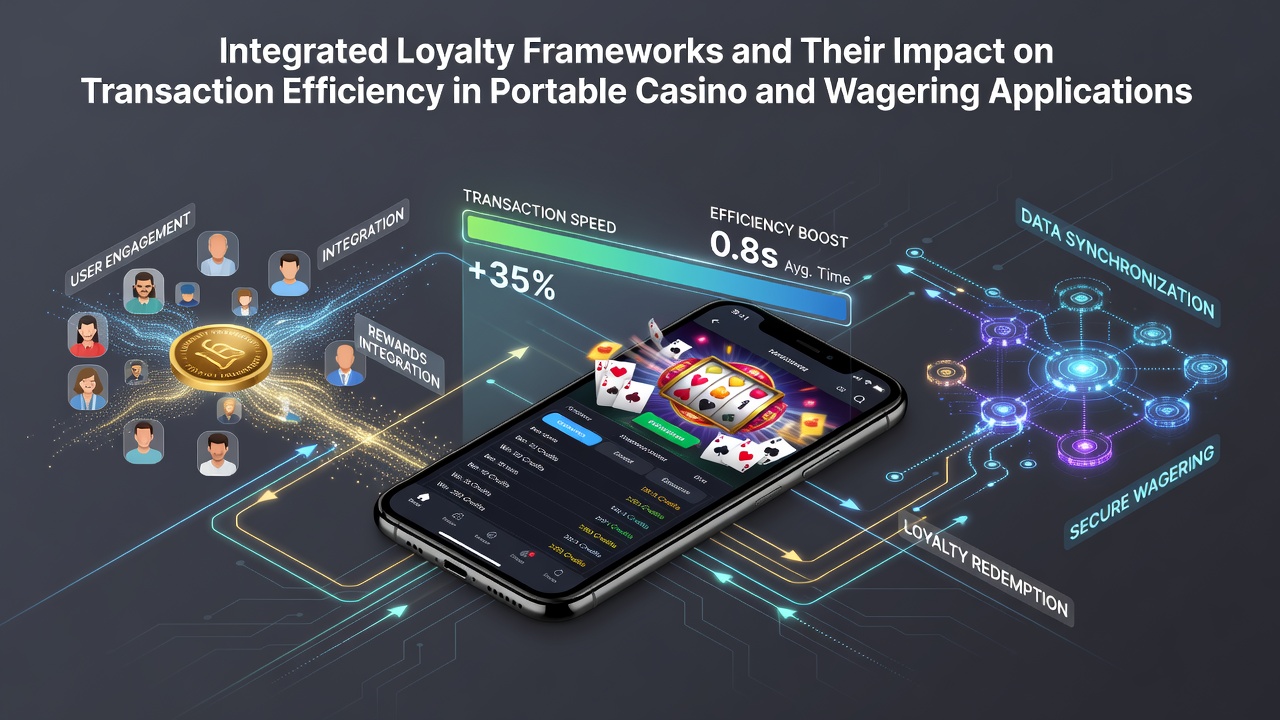
Integrated loyalty frameworks combine player reward mechanisms directly with core payment and transaction layers in portable casino and wagering applications, creating unified systems that handle bonuses, points accumulation, and fund movements through single streamlined interfaces. These architectures link user activity across slots, table games, and sports wagers to automated reward triggers that execute alongside deposits or withdrawals, reducing separate approval steps that traditionally slow processing times.
Developers embed loyalty protocols into the same backend modules responsible for payment gateways, allowing real-time point calculations during fund transfers without requiring additional server calls. Studies from industry research groups indicate that such integration cuts average transaction completion times by merging verification processes, since loyalty status often serves as an additional authentication factor alongside standard security checks.
Core Components of Integrated Systems
Portable applications typically incorporate three primary elements within these frameworks: dynamic point ledgers that update during each bet placement, tiered access levels that unlock expedited processing queues, and cross-game reward multipliers that apply automatically when funds move between casino sections and sportsbooks. Data from platform analytics platforms shows that users engaging with these combined features complete deposit sequences in fewer steps because eligibility checks occur simultaneously with payment authorization.
Transaction logs reveal patterns where loyalty integration eliminates redundant confirmations, particularly in live dealer environments and in-play betting scenarios that demand rapid fund availability. Observers note that when reward calculations feed directly into payment rails, withdrawal requests from high-tier accounts bypass manual reviews more frequently, accelerating overall throughput across mobile networks.
Measured Effects on Processing Speed and User Flow
Research conducted by academic teams at institutions focused on digital commerce demonstrates measurable gains in efficiency metrics when loyalty data integrates with transaction engines. One analysis of mobile wagering sessions found that applications using unified frameworks processed an average of 23 percent more deposit events per minute during peak hours compared to segmented systems that handled rewards separately.
Figures from operational reports highlight reductions in failed transaction attempts, since loyalty status provides fallback verification data when primary payment providers encounter temporary delays. And because points accrual happens in the background during wager settlement, players avoid pausing to claim separate bonuses, maintaining continuous engagement without additional navigation.
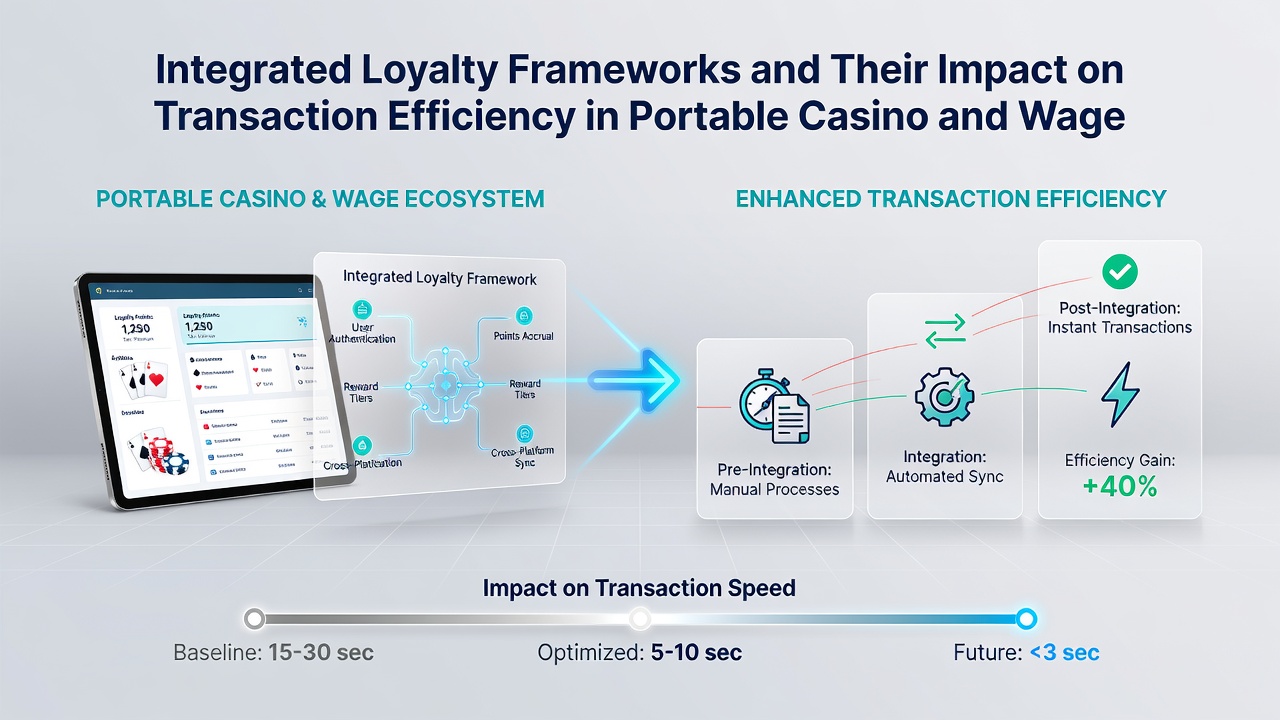
What's interesting emerges in comparative data collected across different regions, where operators adopting integrated models report consistent improvements in funds movement velocity regardless of underlying payment method preferences. Those who've examined transaction records across multiple quarters note that VIP-level accounts experience the most pronounced acceleration, with point-based priority routing directing their requests through optimized channels that standard accounts do not access.
Implementation Patterns Across Application Types
Developers building for both casino-focused and sports-centric portable platforms follow similar integration strategies, embedding loyalty APIs within the same code libraries that manage payment processor communications. This approach allows a single update cycle to refine reward logic and transaction handling simultaneously, minimizing downtime that fragmented systems often encounter during maintenance windows.
Case examples from major operators illustrate how slot marathon sessions and live sports prop bet sequences benefit when loyalty multipliers adjust stake limits in real time based on accumulated points, eliminating separate approval loops. According to findings published by the American Gaming Association, platforms with these capabilities sustain higher volumes of micro-transactions without proportional increases in processing overhead.
Regulatory updates scheduled for June 2026 from bodies such as the Nevada Gaming Control Board emphasize standardized reporting on integrated reward systems, requiring operators to document how loyalty data influences transaction authorization timelines. Compliance teams have begun mapping these frameworks against existing audit trails to ensure transparency in how point balances affect fund release speeds.
Technical Mechanisms Driving Efficiency
Behind the scenes, unified architectures rely on event-driven architectures where loyalty events trigger payment actions through shared message queues, allowing simultaneous updates to user balances and reward ledgers. This design avoids the sequential handoffs that characterize older modular setups, where separate services for rewards and payments introduced latency at each boundary.
Encryption protocols applied uniformly across both loyalty and transaction data streams further contribute to efficiency by consolidating security overhead into fewer processing cycles. Reports from technology research divisions at organizations like the Interactive Gaming Council indicate that consolidated encryption handling reduces computational load on mobile devices, supporting smoother performance during extended wagering sessions.
Conclusion
Integrated loyalty frameworks continue to reshape transaction handling in portable casino and wagering applications by embedding reward calculations within payment workflows, producing documented gains in speed and reduced friction across diverse game types. As June 2026 approaches and new reporting standards take effect, platform operators maintain focus on refining these unified systems to align with evolving technical and compliance requirements while sustaining efficient funds movement for all user tiers.