Mobile Platform Incentives Forge Links Between Virtual Card Tables and Sports Event Markets

Handheld platforms have developed systems that connect virtual card tables with athletic event markets through structured reward layers, and these programs operate by assigning points across different game types while users switch between digital blackjack sessions and live sports wagers on the same device. Data from industry reports indicate that participants accumulate tiered benefits when activity spans both categories, which encourages extended engagement periods without requiring separate accounts for each market segment.
Mechanics of Cross-Market Reward Structures
Layered incentive programs function by tracking play metrics such as wager volume and session duration across virtual card environments and athletic betting interfaces, after which users unlock progressive status levels that apply multipliers to future deposits or cashback rates. Observers note that these systems often synchronize progress bars so activity in one area advances rewards available in the other, and this design reduces friction for those who alternate between card simulations and event propositions during a single session. Research from academic sources shows participation rates increase when bonuses reference combined totals rather than isolated game categories.
Platform Features Supporting Integration
Developers implement unified wallets and real-time dashboards that display accumulated incentives from card table rounds alongside sports market outcomes, while notification systems alert users to upcoming athletic events that align with current reward thresholds. Those who study handheld gambling patterns report that seamless fund transfers between virtual table balances and sports ledgers help maintain momentum, and June 2026 updates to several international platforms introduced additional synchronization tools that automatically convert partial progress from one market into entry credits for the other.
Global Regulatory Context and Data Trends
According to findings published by the Nevada Gaming Control Board, mobile operators in regulated jurisdictions track cross-category play volumes to ensure compliance with responsible gaming standards, and similar metrics appear in reports from Australian state authorities that monitor incentive program impacts on user behavior. These datasets reveal steady growth in combined participation figures through the first half of 2026, particularly among accounts that maintain active status across both card and sports sections simultaneously.
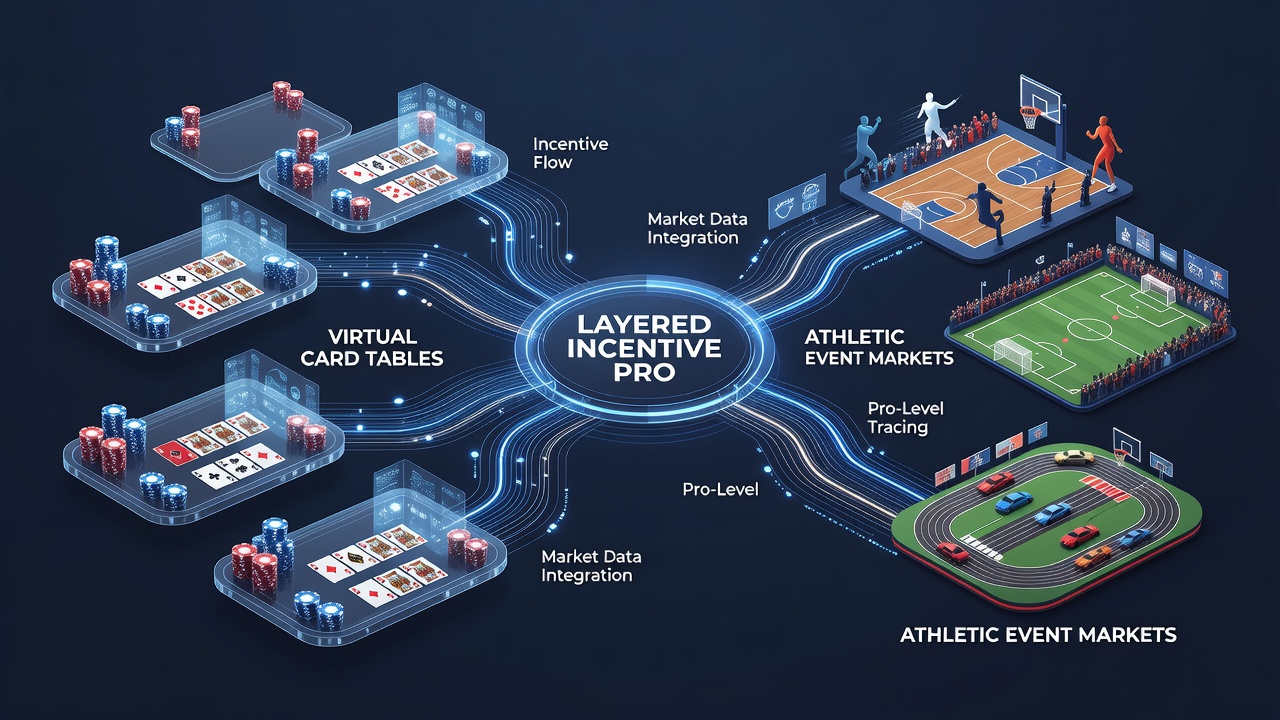
Industry organizations such as the International Association of Gaming Regulators have documented how incentive layering influences retention when programs cap daily rewards yet allow carryover from card play into athletic event bonuses. What's interesting is that such structures appear across multiple regions without requiring users to navigate separate loyalty portals, which simplifies the experience while still meeting oversight requirements.
Examples of Program Implementation
One observed platform applies status tiers that grant table game rake reductions alongside enhanced odds boosts for sports propositions once a user reaches intermediate levels, and another routes partial cashback earned from blackjack hands directly into free bet tokens for upcoming matches. Researchers at various universities have examined these patterns and found that the shared progression mechanics correlate with longer average session times across the two categories. But here's the thing: operators adjust the exact thresholds periodically based on aggregated usage data rather than individual preferences, which keeps the system scalable across large user bases.
Technical Elements Enabling Continuity
API connections between card table engines and sports market feeds allow incentive calculations to update within seconds of completed wagers, and this speed supports the perception of unified progress even when users switch contexts rapidly. Data indicates that platforms incorporating these links experience higher cross-category movement compared with those maintaining separate reward streams, and the difference becomes measurable within weeks of implementation.
Conclusion
Connections between virtual card tables and athletic event markets continue to develop through layered incentive programs on handheld platforms, with evidence from multiple regulatory and academic sources confirming steady adoption of unified tracking methods. These systems rely on synchronized metrics and shared reward tiers to facilitate movement between game types, while updates observed in June 2026 reflect ongoing refinements in synchronization tools and compliance features. The result remains a measurable integration of previously distinct market segments within single mobile environments.