Mobile Interfaces Uniting Slot Reel Alignments and Hockey Goal Tracking Through Structured Reward Programs
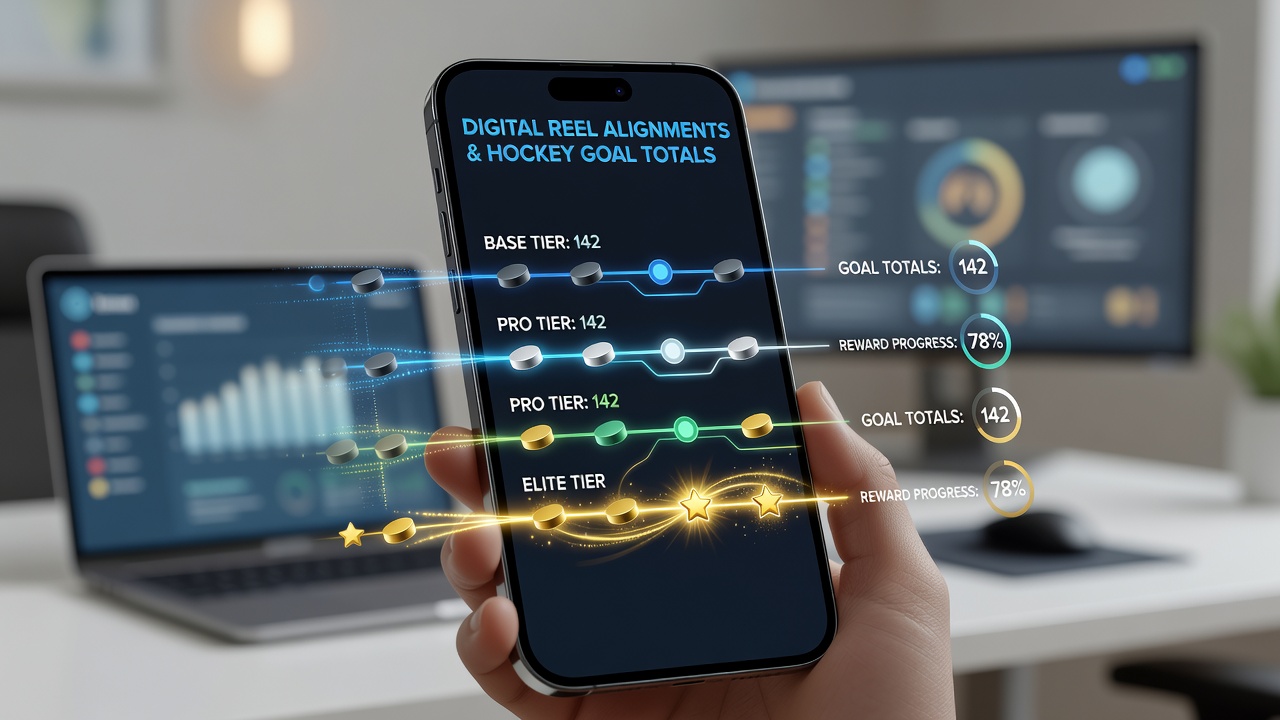
Digital platforms have begun merging the mechanics of slot reel alignments with live hockey goal totals, and tiered reward systems on mobile interfaces drive this integration in ways that connect entertainment segments across casino and sports wagering environments. Operators deploy these frameworks to synchronize player actions in reel-based games with outcomes from hockey matches, creating pathways where progress in one area influences incentives in another through structured mobile applications.
Research from industry groups shows that such alignments rely on data feeds from both slot algorithms and real-time sports statistics, allowing systems to adjust reward tiers based on cumulative performance metrics. For instance a player completing specific reel combinations might receive boosts that apply directly to hockey goal wagers, while exceeding goal thresholds unlocks higher levels of slot-related multipliers, all managed through app interfaces that update continuously.
How Tiered Systems Operate on Mobile Devices
Tiered reward structures function by categorizing user activity into progressive levels, where each stage incorporates elements from digital reel patterns and hockey scoring events, and mobile technology enables seamless tracking without requiring separate platforms. Data indicates that these programs use application programming interfaces to pull information from slot engines alongside league feeds, resulting in unified dashboards that display combined progress bars for reel matches and goal accumulations.
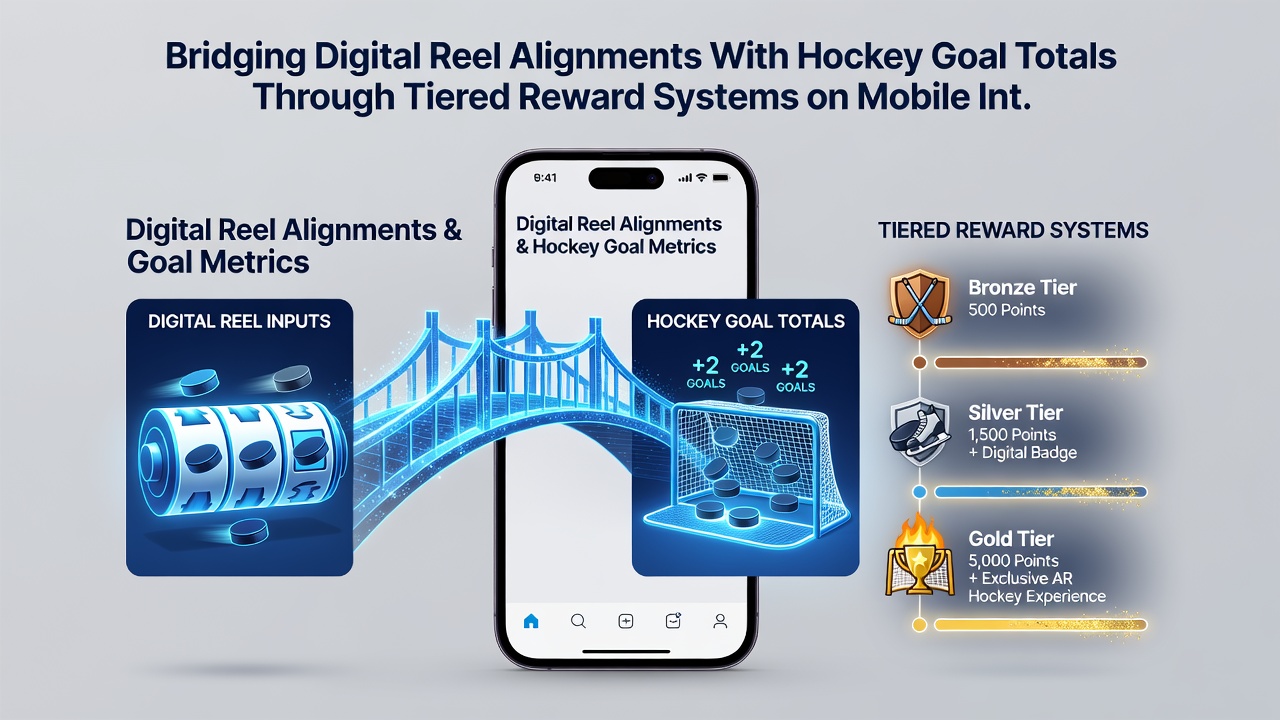
Those who have examined similar implementations note that entry-level tiers often start with basic alignments, such as matching three symbols on reels that correspond to single goal events in ongoing hockey games, whereas advanced tiers incorporate multi-goal totals or complex reel sequences that trigger larger payouts across both categories. Mobile interfaces present these options through intuitive controls, allowing users to monitor their standing in real time while switching between slot sessions and live sports views.
Technical Foundations Supporting the Integration
Developers build these systems on cloud-based architectures that handle high volumes of simultaneous data from slot randomizers and hockey analytics sources, and synchronization occurs through secure protocols that maintain accuracy during peak usage periods like playoff seasons. According to reports from the North American Association of Gaming Regulators, such technical setups have expanded in adoption as mobile usage rates climbed past 65 percent of total gaming interactions by early 2026.
One study revealed that incorporating hockey-specific variables, including shot accuracy and period-based scoring, into reward algorithms enhances retention metrics when paired with reel alignment bonuses, while the reverse linkage allows sports bettors to earn slot credits through goal predictions. Platforms achieve this by embedding conditional logic that evaluates both data streams before assigning tier advancements, creating a balanced ecosystem where neither segment operates in isolation.
What's interesting here is how mobile notifications play a central role, delivering alerts about impending hockey goals that could elevate a user's tier status or about reel near-misses that remain tied to upcoming match statistics. These features reduce friction in the user experience, enabling continued engagement without manual cross-referencing between separate applications.
Regional Developments and June 2026 Trends
By June 2026 several North American and European operators had rolled out updated versions of these tiered mobile systems, incorporating refined algorithms that account for variations in hockey league schedules across different continents. Figures from the Canadian Gaming Association highlight that participation in hybrid programs linking slots to hockey outcomes grew by 28 percent in the preceding quarter, driven largely by interface improvements that allow tier progression to span multiple device types.
Observers note that regulatory adjustments in various jurisdictions, including updates from bodies like the Malta Gaming Authority, have emphasized transparent reporting of how reward tiers calculate combined metrics from reels and goals, ensuring compliance while supporting continued innovation in mobile delivery. This environment encourages further refinement, such as adaptive tiers that scale with seasonal hockey fluctuations or reel volatility patterns observed in user data.
Examples of Implementation Across Platforms
Take one operator who integrated these elements into a single app where users accumulate points from reel alignments during base slot play, then apply those points toward hockey goal parlay options that unlock exclusive tier benefits like accelerated cashback rates. Data shows similar approaches in other markets yield measurable increases in session lengths, as players pursue dual objectives within the same interface environment.
Another case involved a system that tied specific hockey goal milestones, such as power-play tallies, to reel bonus rounds, and mobile users reported higher engagement when the rewards appeared as layered incentives rather than isolated promotions. These patterns demonstrate how the bridging mechanism operates through consistent data correlation rather than separate campaigns.
Yet the effectiveness depends on accurate real-time feeds, and platforms address potential discrepancies by implementing verification layers that cross-check goal totals against official league records before finalizing tier updates. This approach maintains system integrity across diverse user bases spanning casual participants to dedicated followers of both slots and hockey.
Conclusion
The convergence of digital reel alignments with hockey goal totals via tiered reward systems on mobile interfaces represents an evolving segment of gaming technology, supported by data integration and structured progression models that span entertainment categories. As implementations continue through 2026, the focus remains on technical reliability and user accessibility, with regional examples illustrating practical applications that connect these distinct elements into cohesive mobile experiences.