Mapping Interconnected Payment Pathways That Strengthen Tiered Loyalty Benefits in Mobile Sports Betting and Digital Gaming
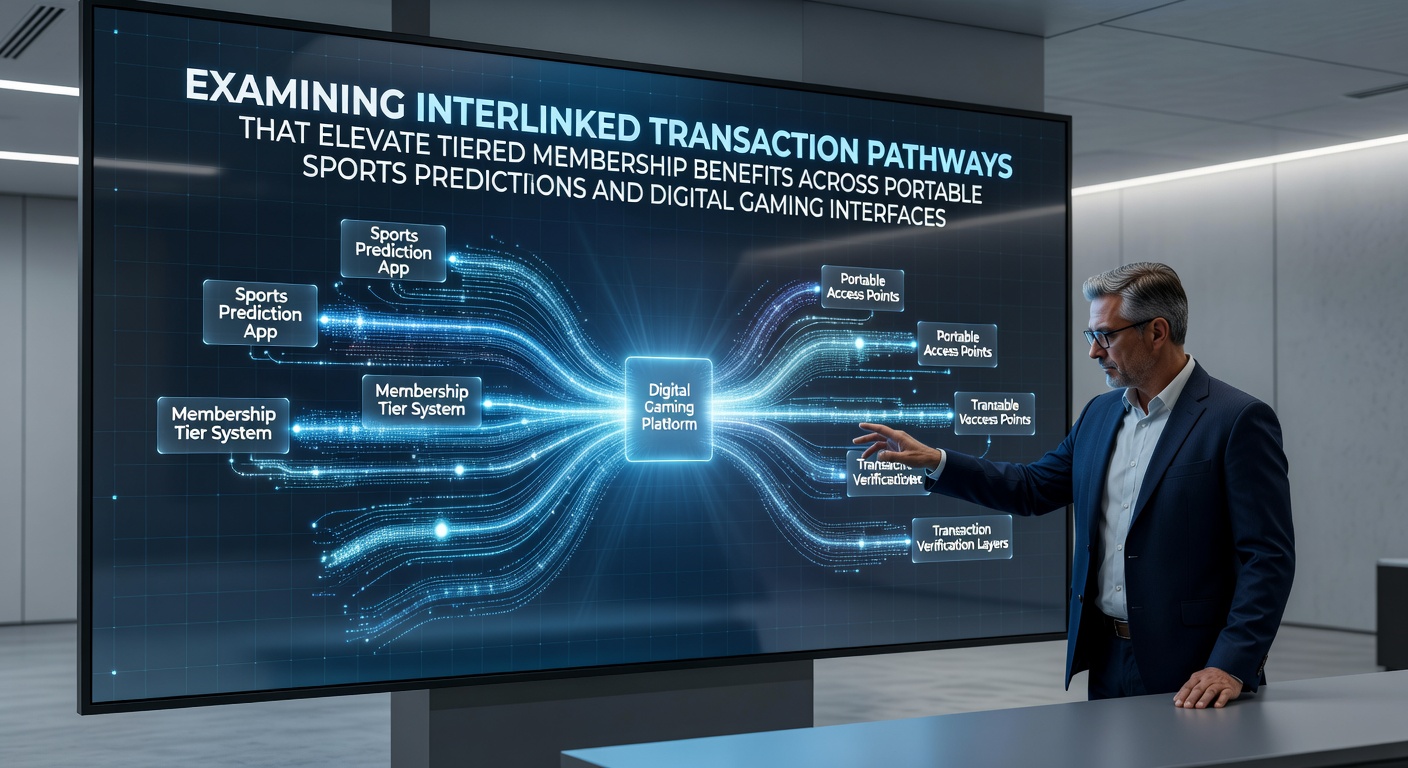
Transaction pathways in mobile sports prediction platforms and digital gaming interfaces have become increasingly linked through shared payment rails that feed directly into tiered membership structures, and operators now route deposits from in-play wagers on football totals or tennis sets into the same ledgers that track reel spins and live dealer sessions. These connections allow a single funding action to accumulate points across both environments, advancing users through bronze, silver, gold and platinum levels without separate login sequences or duplicated verification steps.
Mechanics of Cross-Platform Reward Accumulation
Data from industry tracking services shows that when a user completes an instant deposit via digital wallet or card in a sports app, the transaction identifier carries forward to the casino side where equivalent wager value contributes to the same loyalty meter. Researchers at several European gaming analytics firms have documented how this linkage reduces friction, because the same KYC record and payment token serve multiple product verticals while maintaining compliance with local licensing conditions outside the United Kingdom. In May 2026 trends, mobile payment systems continue elevating VIP access to slots, live blackjack tables and in-play sports markets by shortening the time between deposit and tier upgrade from days to minutes.
Examples of Tier Advancement Through Linked Activity
One documented case involves a platform group that synchronizes its sportsbook cash-out proceeds with casino bonus wallets, allowing a successful prop bet settlement to unlock an immediate cashback percentage on subsequent table game play. Another arrangement pairs slot marathon volume with accumulator bet requirements, so that reaching a monthly handle threshold in either product advances the user to the next reward band. Observers note that these pathways rely on unified player ledgers rather than separate databases, which cuts reconciliation errors and speeds up the crediting of exclusive perks such as higher withdrawal limits or personalized odds boosts.
Payment providers have introduced APIs that tag each transaction with a product-agnostic loyalty flag, enabling the system to apply multipliers when activity spans both sports predictions and digital gaming sessions. Figures released by the European Gaming and Betting Association indicate that operators adopting these APIs recorded measurable increases in average session length during the first half of 2026, because users remain engaged across verticals to meet combined playthrough targets.

Regulatory and Technical Considerations Across Regions
While the United Kingdom maintains its own oversight framework, parallel developments appear in other jurisdictions where regulators permit shared customer funds between licensed sportsbook and casino entities under the same corporate umbrella. In Australia, for instance, state-based licensing bodies have reviewed similar integrated systems to ensure responsible gambling tools remain active across both product types. Technical teams implement real-time balance checks that prevent users from exceeding deposit or loss limits even when switching between portable sports predictions and digital gaming interfaces within the same app suite.
Industry reports compiled by the American Gaming Association highlight that seamless transaction pathways also support responsible play features, because unified ledgers allow operators to apply time-out requests or deposit caps globally rather than per vertical. This approach has gained traction in Canadian provincial markets where single-wallet models already dominate mobile offerings.
Future Trajectory for Loyalty Integration
Developers continue refining the underlying rails so that cryptocurrency settlements, bank transfers and card payments all feed the same tier engine regardless of whether the initial action occurred on a sports prediction or a live dealer table. Academic studies from gaming technology research centers suggest that further standardization of transaction metadata will allow even smaller operators to participate in cross-brand loyalty networks without building proprietary infrastructure. Those who have examined the current implementations point out that the primary constraint remains ensuring each jurisdiction’s data-protection rules are satisfied when player identifiers travel between sports and casino modules.
Conclusion
Interlinked transaction pathways now function as the backbone for tiered membership programs that span portable sports predictions and digital gaming interfaces, and teh technical architecture supporting these connections continues to mature. Evidence from multiple regulatory regions and industry datasets demonstrates measurable effects on player retention metrics when deposits and wagers contribute to unified loyalty ledgers. As mobile payment systems evolve through 2026, the same patterns are expected to expand into additional markets where licensing frameworks accommodate such integration.