Intersections of Swift Transaction Processing and Customized Loyalty Incentives Across Portable Entertainment Formats
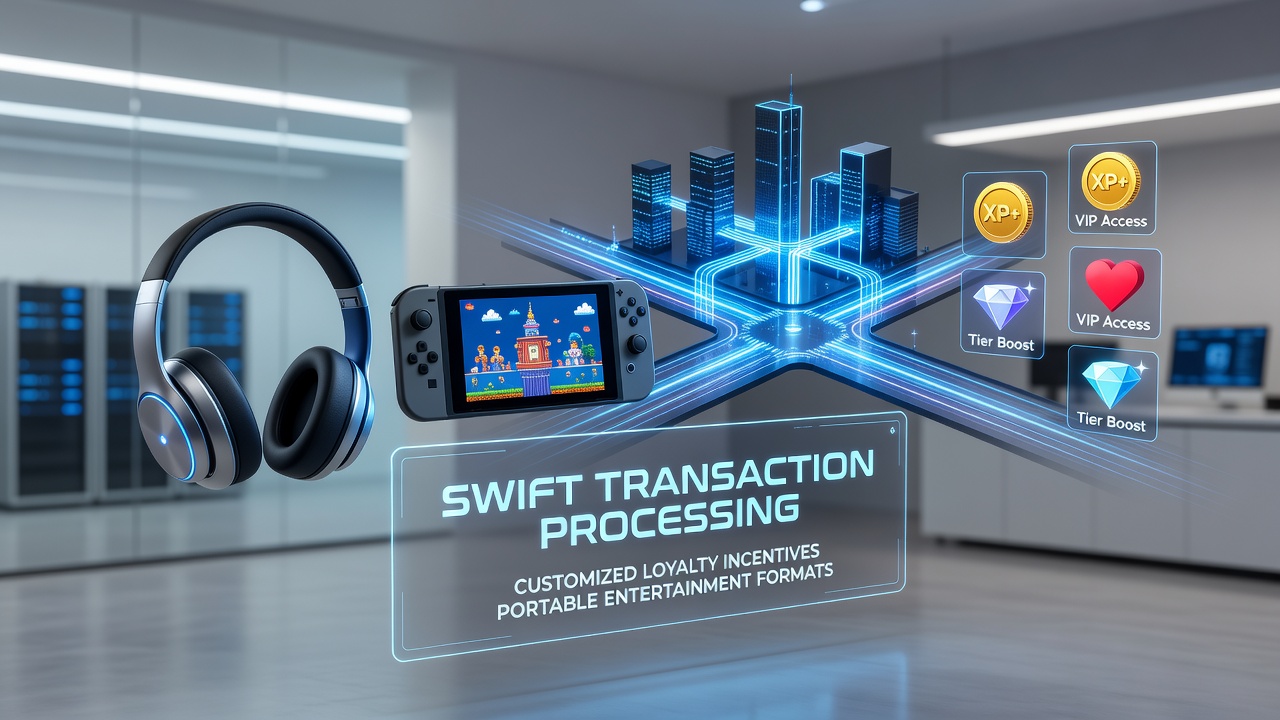
Portable entertainment formats have expanded rapidly in recent years, with mobile applications now handling substantial volumes of real-time transactions alongside tailored reward structures. Data from industry reports indicate that transaction speeds under three seconds correlate with higher retention rates in digital gaming environments across multiple jurisdictions. Observers note that these systems often operate through API integrations between payment processors and loyalty engines, allowing operators to adjust bonus parameters based on user activity patterns within seconds of each deposit or withdrawal.
Transaction Processing Mechanisms in Mobile Platforms
Swift transaction processing relies on technologies such as instant bank transfers, digital wallets, and tokenized card payments that reduce latency between user action and account update. In regions including several US states and Canadian provinces, operators have adopted these methods to support continuous play sessions without interruption. Research from the University of Nevada, Las Vegas gaming studies department shows that platforms utilizing sub-second confirmation times experience measurable increases in session duration compared to those relying on traditional batch processing.
Payment rails such as those provided by regional banking networks enable operators to verify funds and update balances simultaneously, which in turn feeds data streams directly into loyalty calculation modules. This linkage allows reward offers to trigger automatically, for example granting tiered multipliers on the next wager after a qualifying deposit completes. Figures from the American Gaming Association reveal that adoption of these integrated systems grew steadily between 2023 and 2025 in regulated markets outside the United Kingdom.
Customization of Loyalty Incentives Through Real-Time Data
Customized loyalty incentives function by analyzing individual player behavior captured during each transaction cycle. Algorithms segment users according to deposit frequency, game preference, and average stake size, then deliver targeted rewards such as cashback percentages or free spin allocations that differ from one account to another. Studies conducted by researchers at the University of Sydney’s gambling research unit demonstrate that personalization based on transaction metadata produces higher redemption rates than generic bonus structures distributed uniformly across player bases.
Operators in Australian states and select European markets have implemented dynamic loyalty ladders where advancement depends on both volume and velocity of transactions. A player completing multiple swift deposits within a defined window may receive an escalated reward tier unavailable to slower-paced accounts. This approach relies on continuous data exchange between payment gateways and customer relationship management platforms, ensuring offers remain relevant to current activity rather than historical patterns alone.
Integration Points Across Entertainment Formats
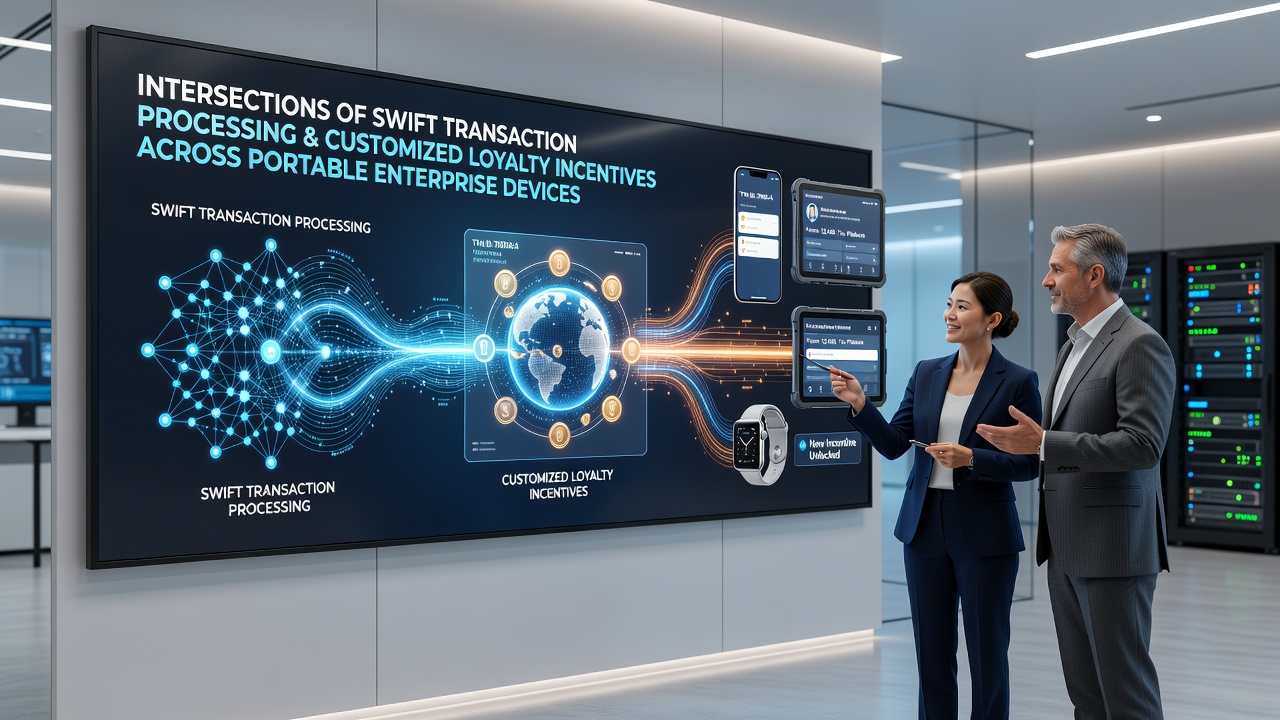
The convergence of these two elements appears most clearly in hybrid mobile applications that combine slots, table games, and sports wagering within single interfaces. Transaction events serve as triggers for loyalty adjustments that span format boundaries, for instance converting a completed sports bet into loyalty points redeemable on slot features. Data compiled by the Canadian Gaming Association indicates that cross-format reward systems increased average revenue per user in participating provinces during the 2024-2025 period.
Developers achieve this integration through unified player accounts that maintain a single ledger updated by every transaction regardless of game type. When a deposit processes instantly, the loyalty engine evaluates eligibility for format-specific bonuses and applies them without requiring separate navigation or additional user input. Observers tracking developments scheduled for July 2026 in several Australian territories note that forthcoming technical standards will require documented audit trails for all automated reward decisions linked to payment events.
Regulatory and Technical Considerations in Global Markets
Different jurisdictions impose varying requirements on how transaction data may inform loyalty mechanics. In Nevada and New Jersey, state regulators mandate clear disclosure of bonus terms at the moment a transaction completes, ensuring players receive immediate notification of any customized incentive applied. Similar transparency rules exist in parts of the European Union where data protection frameworks limit the granularity of behavioral tracking used for reward personalization.
Technical implementations often involve encrypted data pipelines that transmit only anonymized transaction identifiers to loyalty servers, reducing exposure while preserving the ability to calculate tailored offers. Industry reports from the Asia-Pacific region highlight that operators maintaining these secure connections report lower dispute rates related to delayed or misapplied rewards.
Conclusion
The documented intersections between rapid transaction systems and individualized loyalty structures continue to shape operational strategies across portable entertainment platforms. Evidence from multiple regulated markets shows that seamless payment flows enable more precise reward delivery, while customized incentives in turn encourage sustained engagement measured through transaction frequency. As technical standards evolve in 2026 and beyond, operators and regulators alike will likely focus on maintaining verifiable links between each payment event and the resulting loyalty outcome.