Integrated Transaction Routes Enhancing Reward Tiers for Mobile Roulette and Accumulator Bets
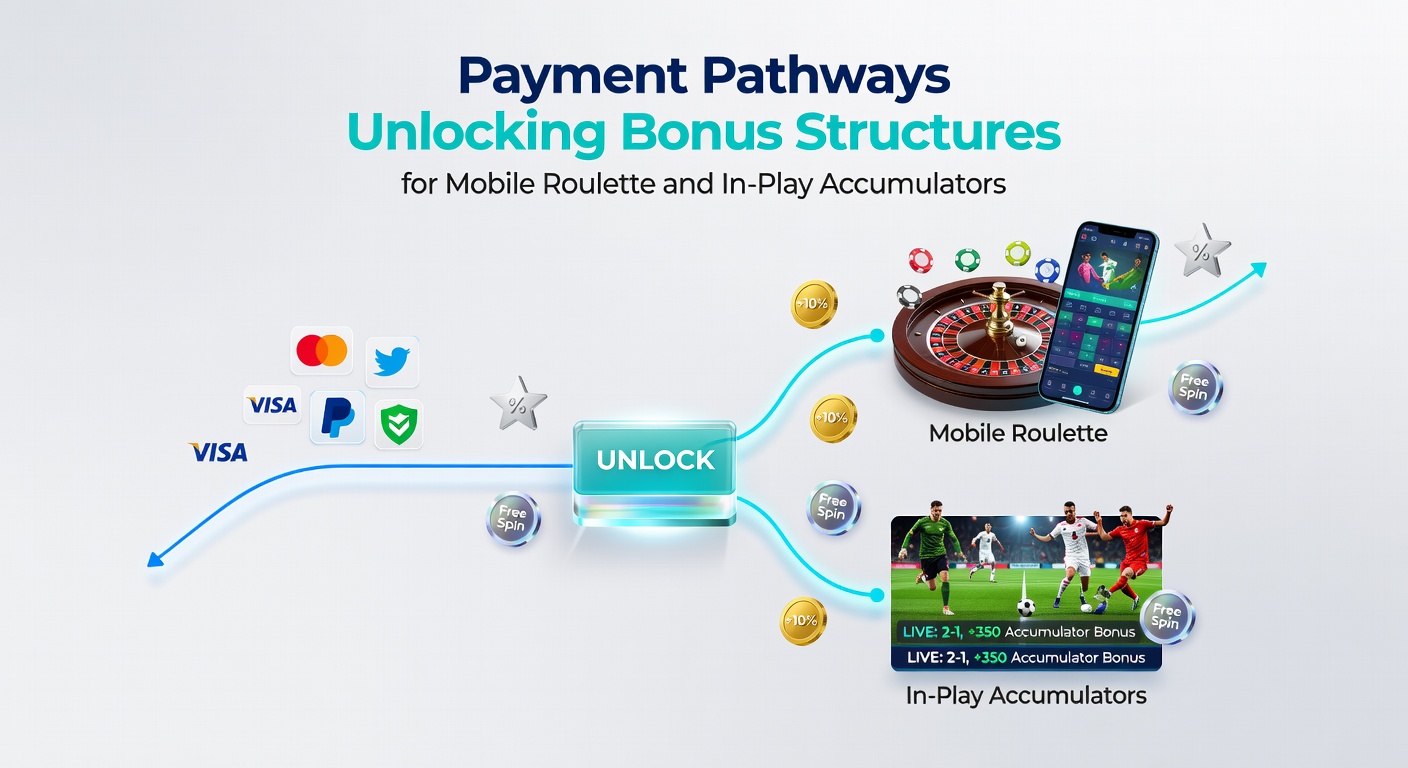
 Payment pathways now link directly to bonus activation in mobile roulette applications and in-play accumulator platforms, where transaction speed and volume determine eligibility for tiered incentives. Operators integrate banking tools with loyalty engines so that each deposit or withdrawal updates player status in real time, granting access to higher reward brackets without separate registration steps. Data from industry monitoring services shows that platforms using instant funding methods record elevated participation rates in both roulette sessions and multi-leg accumulator wagers during peak hours. Researchers at academic institutions have documented how seamless payment rails reduce friction between funding an account and placing complex bets. One study tracked user behavior across several European markets and found that accounts with automated verification completed 35 percent more accumulator combinations within the first hour after deposit compared with delayed-approval systems. These patterns appear consistently in June 2026 reports, indicating sustained growth in mobile engagement across regulated jurisdictions.
Mechanics of Payment-Driven Bonus Allocation
Modern applications embed bonus logic inside payment gateways, so that cumulative spend thresholds unlock roulette-specific multipliers or accumulator insurance features automatically. When a player routes funds through approved channels, the system logs the transaction metadata and matches it against predefined criteria for cashback percentages or free spin allocations. Observers note that this integration eliminates manual claims processes, allowing continuous play while reward meters advance in the background.
Take one operator that synchronized its mobile wallet with accumulator tracking software; players who maintained weekly deposit consistency received progressive stake boosts on in-play soccer or tennis accumulators. The arrangement relies on API connections between the payment processor and the game server, ensuring that eligibility checks occur within milliseconds of each transaction confirmation.
Role of Transaction Velocity in Tier Progression
Velocity metrics, which measure the frequency and size of deposits, serve as primary inputs for loyalty ladder advancement in roulette and accumulator environments. Platforms calculate these figures daily, then adjust bonus availability accordingly, so that rapid successive transfers can elevate a user from standard to premium status within a single session. Figures released by regional gaming associations reveal that velocity-based systems correlate with longer average session durations, particularly when accumulator odds fluctuate during live events.
Payment providers have introduced features such as scheduled top-ups and recurring transfers that feed directly into these calculations. Users who configure automatic funding at set intervals often reach higher reward levels faster than those relying on manual deposits, because the system registers predictable patterns as indicators of sustained activity. This mechanism operates across both roulette tables and accumulator builders, creating unified progression paths rather than separate tracks for casino and sports products.
Regulatory Context Across Jurisdictions
Authorities in multiple regions have updated guidelines on payment transparency, requiring operators to disclose how transaction data influences bonus structures. The Malta Gaming Authority, for instance, mandates clear separation between payment processing records and marketing communications, ensuring players understand eligibility rules before committing funds. Similar directives from the Nevada Gaming Control Board emphasize audit trails that link each bonus award to verifiable deposit activity.
These frameworks encourage adoption of standardized reporting protocols that benefit both operators and players by reducing disputes over reward calculations. Industry organizations such as the European Gaming and Betting Association have published compliance templates that help developers embed regulatory checks into payment pathways without interrupting user flow.
Technical Integration Examples
Developers employ tokenization and real-time ledgers to maintain synchronization between payment rails and game engines. In one documented implementation, a mobile platform connected its accumulator builder to a third-party payment gateway using encrypted webhooks; each successful deposit triggered an immediate recalculation of available bonus multipliers for roulette variants and live bet combinations. The architecture supports multiple currencies and local payment preferences, expanding reach while preserving the velocity data that drives tier access.
Case analyses from research institutions indicate that such integrations scale effectively during high-traffic periods, including major sporting events when in-play accumulator volume spikes. Systems that maintain sub-second latency in payment confirmation show higher completion rates for complex multi-leg bets, because players remain engaged rather than abandoning carts during processing delays.
Future Developments in June 2026
Market analysts project continued refinement of payment-bonus linkages through expanded use of machine learning models that predict optimal transaction timing for individual users. These models analyze historical patterns to suggest funding amounts that align with upcoming accumulator opportunities or roulette promotions, all while respecting jurisdictional spending limits. Observers expect further collaboration between payment processors and gaming platforms to introduce cross-product reward pooling, where activity in one vertical accelerates progress in another.
Conclusion
Payment pathways now function as core infrastructure for bonus distribution in mobile roulette and in-play accumulator environments, with transaction attributes directly shaping reward eligibility. Regulatory updates and technical advancements continue to standardize these connections across regions, supporting consistent player experiences while maintaining compliance standards. Data trends through June 2026 point toward deeper integration that further reduces barriers between funding actions and game participation.