Behavioral Patterns in High-Stakes Mobile Sessions: Linking Slot Sequences to In-Play Tennis Markets

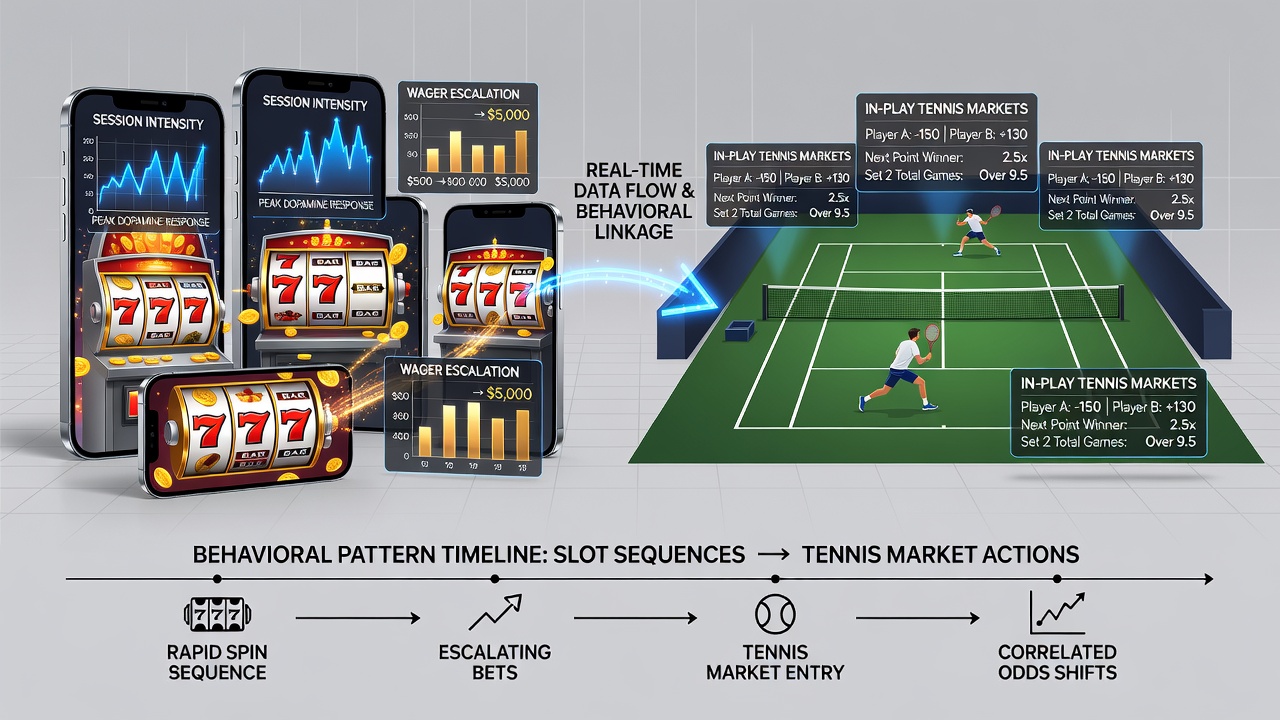
High-stakes mobile sessions often reveal distinct behavioral patterns where players move between slot sequences and in-play tennis markets within single continuous engagements, and researchers tracking these activities note correlations in timing, stake sizing, and decision velocity that appear consistent across multiple platforms. Data from aggregated user logs shows that sequences of rapid slot spins frequently precede or follow tennis point-by-point wagers, particularly during matches featuring extended rallies or tiebreaks, which suggests players use slot play as a pacing mechanism before committing larger amounts to live tennis outcomes.
Session Flow and Transition Triggers
Observers examining mobile gambling datasets find that high-value users typically initiate sessions with shorter slot bursts lasting between three and seven minutes before shifting attention to tennis markets, and these transitions often align with real-time match events such as service breaks or set changes. Patterns indicate that stake amounts in slots tend to increase incrementally during these warm-up phases, which then carry over into tennis bet sizes that start at moderate levels but escalate quickly once in-play odds shift. July 2026 platform reports highlighted a measurable uptick in such hybrid sessions, coinciding with major tennis tournaments where mobile traffic volumes rose noticeably during evening hours in key time zones.
Slot Sequence Characteristics
Slot sequences within these high-stakes contexts display measurable traits including clustered bonus feature activations followed by immediate market switches, and analytics teams have mapped how players adjust bet denominations after each spin outcome before checking tennis score updates. Evidence from behavioral tracking tools reveals that sequences featuring consecutive small wins often prompt quicker navigation to in-play tennis interfaces, whereas longer losing streaks correlate with extended dwell times on slots prior to any tennis engagement. Those studying these logs point out that auto-spin functions see heavier usage in the initial slot phase, which frees cognitive resources for monitoring multiple tennis matches simultaneously once the transition occurs.
Connections to In-Play Tennis Dynamics
In-play tennis markets attract the same users who exhibit particular slot sequence habits, and the linkage appears strongest when players alternate between quick slot rounds and tennis point bets during high-volatility match periods. Research published by the Journal of Gambling Studies demonstrates that individuals who maintain consistent slot spin intervals of under fifteen seconds show elevated activity in tennis markets involving underdog players or longer sets, suggesting a preference for sustained engagement cycles that mirror slot rhythm. National Council on Problem Gambling resources document similar cross-product patterns where mobile users treat slots and live sports as interchangeable components within one session flow rather than separate activities.
Further examination of transaction timestamps indicates that deposit spikes frequently occur mid-session right after a slot sequence yields a notable payout, which then funds larger tennis wagers on upcoming points or games. This sequencing creates observable chains where slot results directly influence the capital allocated to tennis, and the reverse holds when tennis wins prompt returns to slots with adjusted risk parameters.
Regional Data Variations and Research Findings
Studies conducted across different jurisdictions reveal geographic differences in how these patterns manifest, with Australian researchers at the Victorian Responsible Gambling Foundation noting stronger links during major Grand Slam events while North American datasets emphasize weekday evening sessions. Victorian Responsible Gambling Foundation publications detail how mobile interfaces facilitate seamless toggling that encourages these linked behaviors, and longitudinal tracking shows repeat users develop personalized rhythms that blend slot sequences with tennis market selections over multiple sessions.
Platform operators tracking July 2026 activity observed that users engaging in these hybrid patterns maintained longer overall session durations compared to single-product players, and retention metrics improved when bonus features in slots aligned temporally with tennis match momentum shifts. Such observations stem from anonymized behavioral logs rather than individual case identification, allowing researchers to identify aggregate trends without compromising privacy standards.
Conclusion
Behavioral patterns connecting slot sequences to in-play tennis markets in high-stakes mobile sessions continue to draw attention from data analysts and regulatory bodies worldwide, as aggregated evidence points to predictable transition points and stake escalation pathways that span both product types. Continued monitoring through July 2026 and beyond will likely refine understanding of these linkages, providing clearer pictures of how mobile users structure their engagements across slots and live tennis environments.