Adaptive Reward Pathways: Bridging Mobile Slots, Live Dealer Tables, and Sports Markets via Efficient Funding
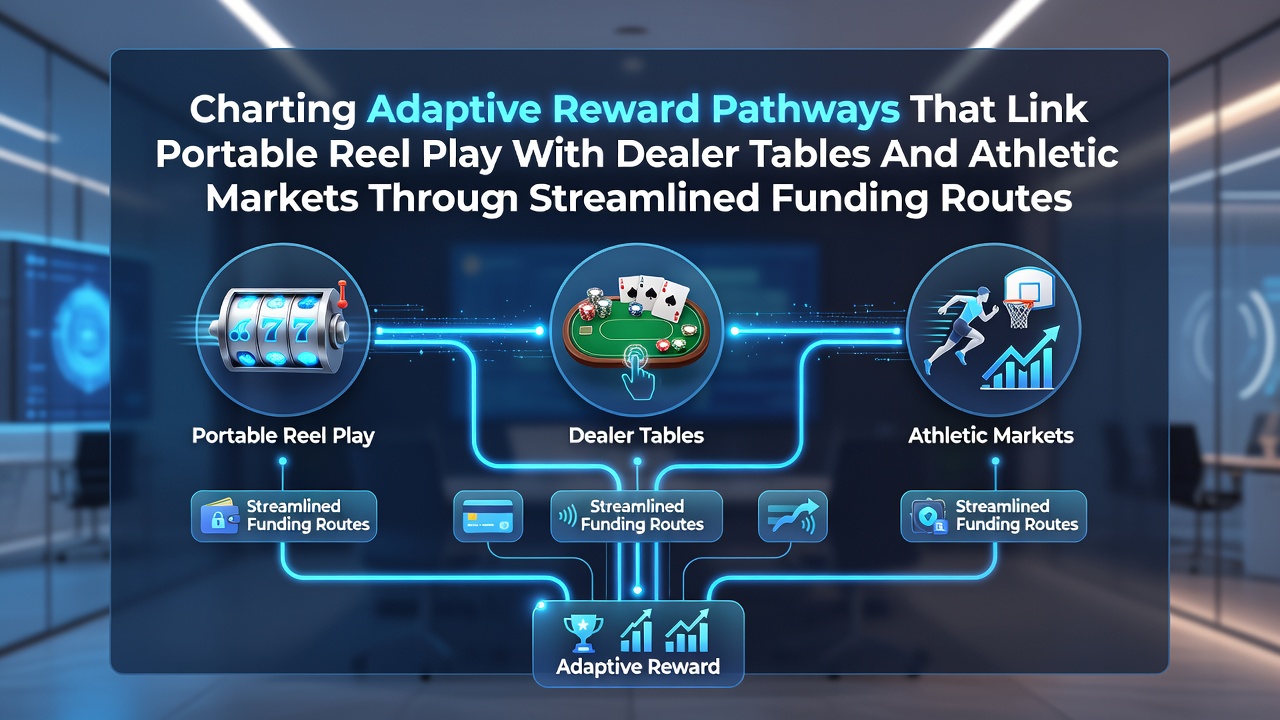
Operators have developed integrated reward structures that adjust dynamically across mobile reel games, live dealer sessions, and sports betting markets, with payment systems serving as the central connector, and data from industry analyses shows these pathways rely on real-time transaction processing to maintain continuity between different gambling formats.
Core Components of Cross-Format Reward Systems
Portable reel play operates on algorithms that track session length and wager volume, then routes accumulated points toward live dealer tables where multipliers apply during specific game phases, while those same points convert into odds enhancements for athletic market selections such as tennis totals or soccer prop bets. Observers note that seamless funding routes enable this transfer without requiring separate account actions, since instant deposit mechanisms update balances across all platforms within seconds of each transaction.
Studies from the International Gaming Institute at the University of Nevada, Las Vegas indicate that operators using unified payment rails achieve higher retention rates because users encounter fewer friction points when shifting between formats. One documented case involved a platform that linked slot-based loyalty tiers directly to live blackjack progression bonuses, allowing players to carry forward progress earned on mobile devices into table sessions without resetting counters.
Payment Infrastructure Enabling Adaptive Pathways
Streamlined funding routes depend on APIs that synchronize wallet balances and reward ledgers across mobile applications, desktop interfaces, and in-play betting modules. These connections permit automatic conversion of slot winnings into table stakes or sports wager credits, and figures from the Canadian Gaming Association reveal that platforms employing such integrations processed an average of 40 percent more cross-category transactions during peak periods in early 2026.
Payment providers supply the underlying rails through which bonus funds flow, and when a player completes a reel sequence the system calculates eligibility for dealer table upgrades or athletic market incentives before crediting the unified account. This automation reduces manual intervention and maintains consistent reward velocity regardless of the chosen activity.
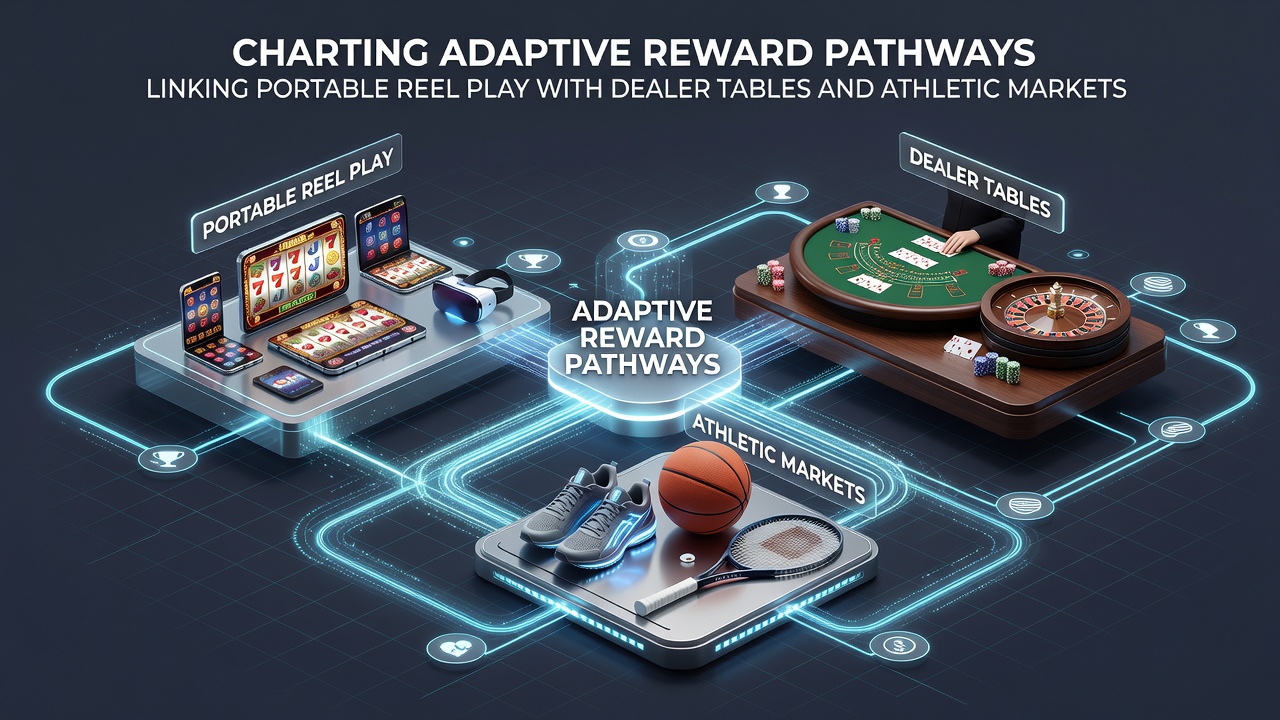
July 2026 Developments in Market Integration
By July 2026 several jurisdictions updated technical standards requiring real-time reporting of cross-platform reward movements, and operators responded by refining their funding routes to comply while preserving user experience continuity. Data compiled by the World Lottery Association shows that markets with updated compliance frameworks experienced measurable increases in multi-format participation compared with regions maintaining older reporting structures.
Technological upgrades during this period included enhanced encryption layers on transaction pathways, which supported faster reconciliation between slot, table, and sports modules. These changes allowed reward pathways to adapt in response to live event data feeds, such as adjusting bonus multipliers when certain athletic outcomes triggered table game promotions.
Examples of Operational Implementation
One operator configured its system so that consecutive mobile slot wins automatically unlocked partial credits for live dealer roulette, which then carried forward as enhanced odds on in-play football markets. Research indicates that such chained incentives produced longer average session durations because participants encountered progressive value across different product categories rather than isolated bonuses.
Another implementation used tiered funding thresholds where deposits above a set amount triggered simultaneous reward allocations across all three verticals, and the unified ledger ensured that progress in one area reflected instantly in the others. Those who monitored these deployments reported that the approach minimized user drop-off during format transitions.
Conclusion
Adaptive reward pathways function through interconnected payment systems that link mobile reel mechanics with live dealer options and athletic market betting, and current infrastructure developments continue to support this integration. Regulatory adjustments in mid-2026 have prompted further refinements in transaction reporting while maintaining operational flow between the different gambling formats.